The Evolution of Urban Dining: Love It in 2026
Urban dining has undergone a remarkable transformation over the past decade, influencing how cities and communities connect through food. The phrase "love it" encapsulates both the passion consumers have for their dining experiences and the evolution of these settings to cater to modern preferences. As we delve into the dining landscape of 2026, we will explore the rise of urban cafés that not only satisfy hunger but also foster community engagement and a love for culinary innovation.
Understanding the Rise of Urban Cafés
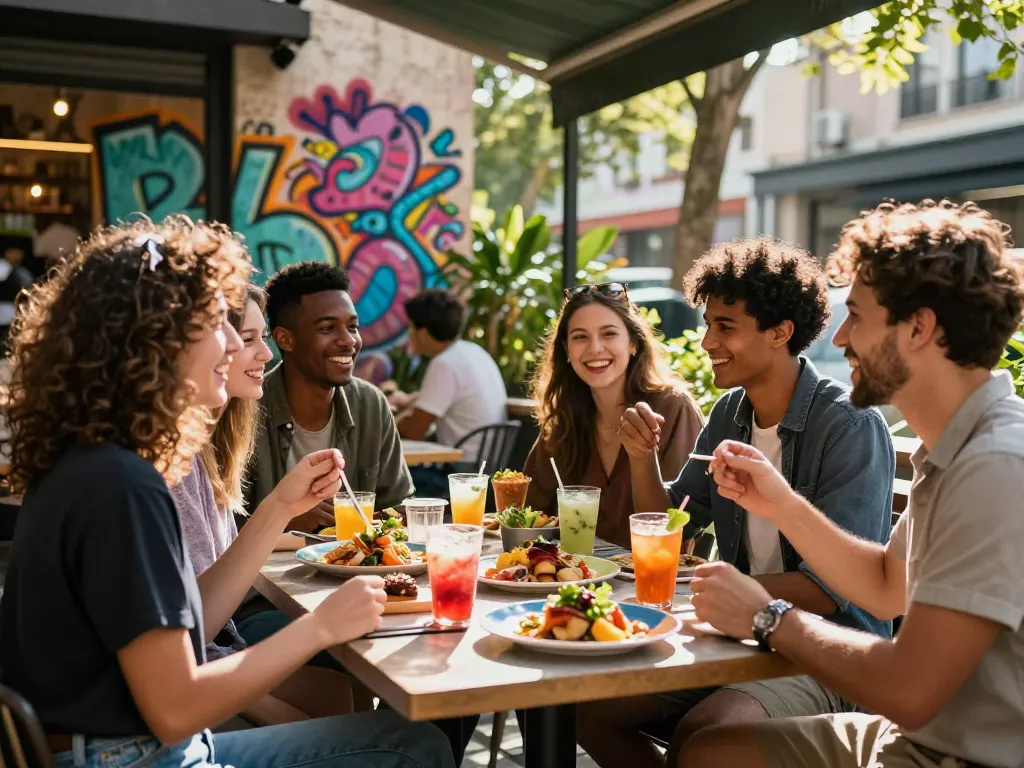
The urban café phenomenon has exploded in popularity, fueled by a desire for comfortable spaces that promote social interactions. Unlike traditional dining establishments, urban cafés offer versatile environments where people can work, meet friends, or simply enjoy quality food and beverages. With the increase in remote work and a focus on social connectivity, these spaces are becoming essential communal hubs. In this context, love it is not just a sentiment but a driving force in enhancing customer loyalty and satisfaction.
Key Trends That Shaped Dining Habits
- Health Consciousness: Consumers are increasingly prioritizing their health, leading to a surge in demand for nutritious, wholesome meal options.
- Experiential Dining: Diners are seeking more than just a meal; they want an experience that engages their senses and creates lasting memories.
- Technology Integration: The blending of technology with dining experiences enhances convenience and personalization for consumers.
Innovative Culinary Trends to Love in 2026
Plant-Based Menus and Sustainability
As awareness about environmental issues grows, so does the demand for plant-based dining options. In 2026, urban diners are more inclined to love menus that prioritize sustainability. Restaurants and cafés are responding by creating innovative, flavorful plant-based dishes that appeal to a wide audience, regardless of dietary preferences. This shift not only caters to health-conscious consumers but also supports global efforts to reduce the carbon footprint associated with meat production.
Fusion Cuisine: The New Flavor Profiles
Fusion cuisine continues to capture the imagination of food lovers, with chefs showcasing their creativity by combining diverse culinary traditions. This trend reflects a broader cultural exchange, resulting in unique flavors and unexpected pairings. As consumers seek novelty, they're falling in love with dishes that surprise and delight their palates, encouraging culinary exploration and cultural appreciation.
Local Sourcing: Why It Matters More Than Ever
In 2026, the significance of sourcing ingredients locally has never been clearer. Urban diners value transparency and the stories behind their food. Restaurants that prioritize local sourcing demonstrate a commitment to quality, sustainability, and community support. This not only enhances the freshness of dishes but also fosters a stronger connection between consumers and their local food systems.
The Role of Technology in Dining Experiences
Mobile Ordering: Transforming How We Eat
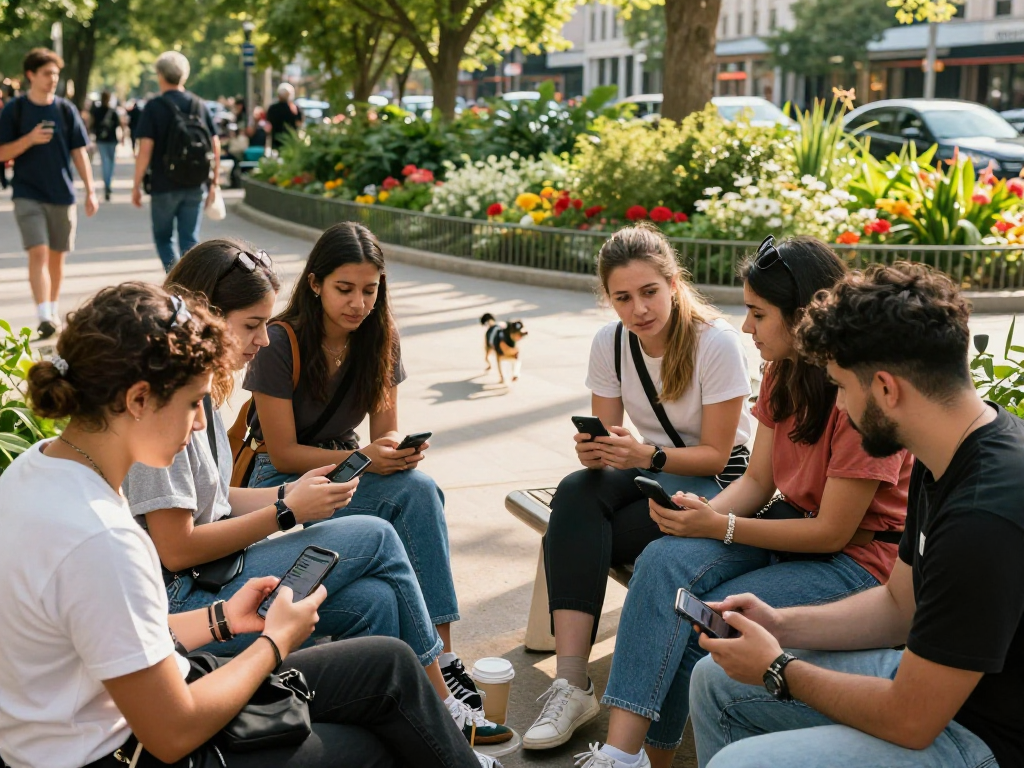
The convenience of mobile ordering has revolutionized dining, allowing customers to enjoy their favorite meals from the comfort of their homes or while on the go. As technology evolves, so does the efficiency of food delivery services, making it easier than ever for consumers to engage with their favorite restaurants. This trend speaks to the increasing reliance on technology in daily life, with diners loving the flexibility it brings to their culinary experiences.
Social Media: Influencing Food Trends
Social media platforms have become powerful tools for shaping dining trends. Food photography and influencer culture significantly impact consumer choices, prompting restaurants to design visually appealing dishes that are "Instagrammable." In 2026, the marriage of food and social media continues to thrive, with diners eager to share their experiences online, further driving the “love it” culture.
Augmented Reality Menus: A New Dining Era
Augmented reality (AR) is set to transform how diners interact with menus. In 2026, we can expect to see restaurants employing AR technology to visually enhance the food selection process. Diners will be able to visualize dishes in 3D, explore ingredient sourcing, and even customize their meals in real-time. Such innovative approaches not only make dining fun but also deepen customer engagement and satisfaction.
The Importance of Atmosphere: Creating Love It Moments
Design Trends That Enhance Dining Experiences
Creating the right atmosphere is essential for any dining establishment aiming to foster love from its patrons. In 2026, restaurants are increasingly focusing on design elements such as lighting, seating arrangements, and decor that resonate with their brand identity while creating inviting environments. Thoughtful designs enhance the dining experience, making diners feel welcomed and valued.
Music and Ambiance: Setting the Mood
Music plays a crucial role in establishing the right ambiance in dining environments. In 2026, restaurants are curating specific playlists that align with their brand and enhance the overall experience. Whether it's upbeat tunes that energize a brunch crowd or soft melodies that create a romantic dinner setting, the right sound can significantly boost a customer's love for a dining experience.
Community Events: Engaging the Local Audience
Many urban dining spots are embracing community engagement through event hosting. By organizing local markets, food festivals, or themed nights, restaurants create opportunities for customers to connect over shared interests. These community events foster a sense of belonging, and diners often describe these experiences as moments they "love it," adding to their overall loyalty and affection for the establishment.
Future Predictions: Where Will Love It Take Us?
Emerging Dining Concepts to Watch
As we look to the future, several dining concepts are likely to gain traction. For instance, immersive dining experiences that combine technology and food may become a staple in urban settings. Restaurants that focus on storytelling through their menus, utilizing technology to narrate the journey of each dish, are likely to appeal to a generation that craves deeper connections with food.
The Impact of Sustainability on Future Dining
Sustainability will continue to guide dining choices as consumers become more eco-conscious. Expect to see more restaurants adopting zero-waste practices, offering seasonal menus, and enhancing their sustainable sourcing practices. The dining landscape of 2026 will be defined by establishments committed to making a positive impact on the planet, resonating deeply with customers who love ethical consumption.
How to Adapt: Strategies for Restaurant Owners
For restaurant owners looking to thrive in this evolving market, staying informed about trends is crucial. This includes adopting technology, continually innovating menu offerings, and actively engaging with the community. Embracing flexibility in operational practices will enable restaurants to adapt to changing consumer preferences efficiently. Ultimately, creating memorable experiences that encourage patrons to love it will be key to long-term success.
What is the meaning of love it?
The term "love it" encompasses a strong emotional connection to something, often reflecting satisfaction and enjoyment. In the context of dining, it signifies a positive experience that resonates with consumers.
How has urban dining changed?
Urban dining has shifted from traditional restaurant settings to dynamic, multifunctional spaces that prioritize social interaction, sustainability, and innovative culinary approaches. The emphasis is on creating holistic experiences rather than just food.
What are the key trends in the food industry for 2026?
Key trends include the rise of plant-based menus, fusion cuisine, local sourcing, technology integration, and a strong focus on sustainability and community engagement.
Who are the influencers of the dining experience?
Influencers in the dining sector include chefs, food bloggers, social media personalities, and even customers themselves, whose preferences shape restaurant menus and service approaches.
Why is sustainable dining important?
Sustainable dining is crucial for reducing environmental impact and promoting ethical food practices. It fosters a healthier planet and supports local economies, resonating with consumers who increasingly value sustainability in their dining choices.