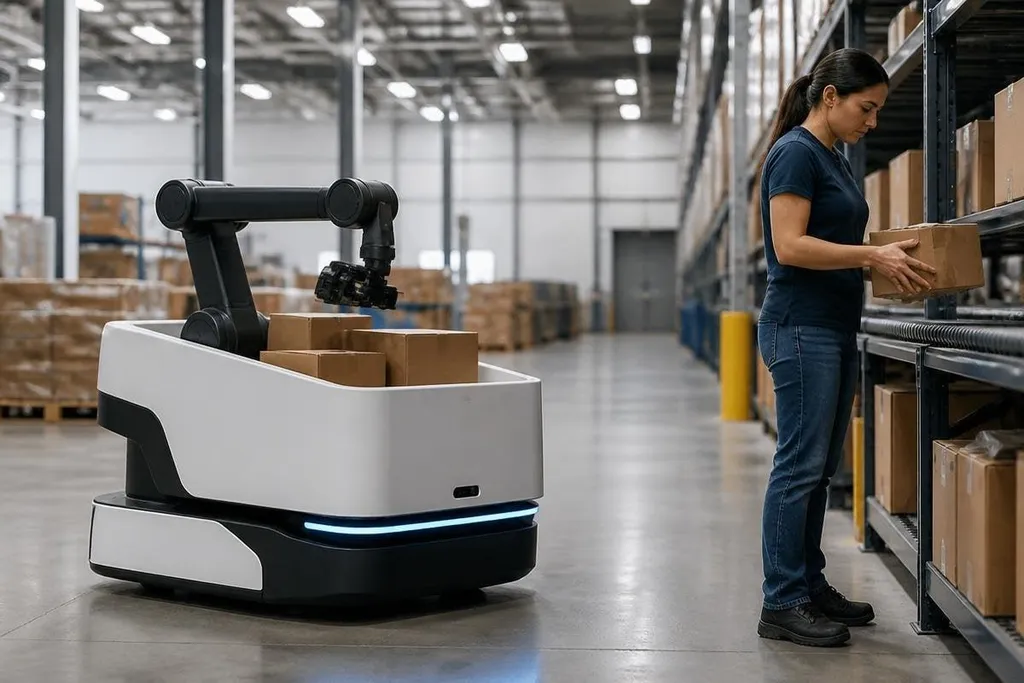
A robot can remove one task from a job without removing the whole job. That small distinction matters when lawmakers ask whether automation threatens a person’s right to employment.
- Robots change tasks before they erase whole job titles.
- A fair policy must track income, training, and access to new work.
- Companies need clear rules for when a machine makes a harmful decision.
Employment is more than a job title
A warehouse worker may spend part of a shift carrying boxes, checking labels, and fixing errors. An automated system could handle the carrying while leaving people with checks, repairs, and exception work.
That shift can raise output, but it can also lower the number of people needed for each order. The effect depends on what happens to the tasks left behind, who receives training, and whether new roles pay enough to replace lost income.
This makes job counts an incomplete test. A policy that protects employment needs to ask four practical questions: Can people move into the new work? Do they keep a fair share of the gains? Can they challenge machine decisions? Does the change remove safe paths into work for people with fewer options?
The answers will differ by sector. A robot arm in a factory, an autonomous delivery system, and software that sorts job applications each change work in a different way. A single rule for all three would miss the main risk in each case.
The right to work needs a clear duty
A right to employment can mean several things. It might protect access to work, income during a job change, training, or protection from unfair exclusion. Each choice creates a different duty for companies and public bodies.
Suppose a company replaces a manual inspection task with cameras and software. The policy question is not only how many jobs disappear. It also asks who checks the software, who repairs the cameras, and who decides when a person must review a disputed result.
Those duties should be written down before the system runs. Workers need to know which decisions a machine can make, which decisions require a person, and how an error can be challenged.
Dated workplace robotics reporting from Robot24.com can show which jobs changed and what workers had to do after a system arrived. That record lets policymakers test productivity claims against the right to employment, with the worker’s role documented beside the machine’s output.
Productivity gains need a public test
Robotics can raise output per worker. That may lower prices, reduce exposure to dangerous tasks, or help a factory keep production near its customers. None of those results tells you how the gains reach the people whose tasks changed.
A useful policy test should track at least three numbers: the number of jobs before and after deployment, the pay attached to the remaining roles, and the time people get to train for new tasks.
It should also record who cannot enter the new work because of age, disability, location, or missing qualifications.
The strongest case for automation comes when people move into safer work with equal or higher pay. The weak case comes when a company cuts staff, shifts risk onto contractors, and calls the remaining work a new opportunity.
I'd judge a rollout by the choices it leaves workers, not by the number of robots installed.
Rules for machine-led hiring
Hiring systems create a separate risk. Warehouse hardware changes physical work; software that ranks applicants can change who gets access to work before a person reviews the application.
That system needs records a worker can question. A person should be able to learn what information affected a decision, ask for a human review, and correct a wrong record. Companies should also check whether the system blocks a group of applicants at a higher rate than others.
These rules do not stop automation. They place a human duty around a machine that can affect a person’s income without meeting them.
A practical policy checklist
Before approving a robotics project, ask:
- Name the changed tasks. List the work the system will do, the work people will keep, and the new repair or oversight roles.
- Set the worker path. State who gets training, how long it lasts, and what pay applies during the change.
- Measure the result. Compare job numbers, wages, hours, and injury rates before and after deployment.
- Keep review human. Give workers a named person who can check a machine decision and fix a bad record.
- Publish the limit. Say what the system cannot judge safely, accurately, or fairly.
The right to employment will face its hardest test when a machine changes access to work without a clear path into the next role. A sound rule should make that path visible before the first robot starts.